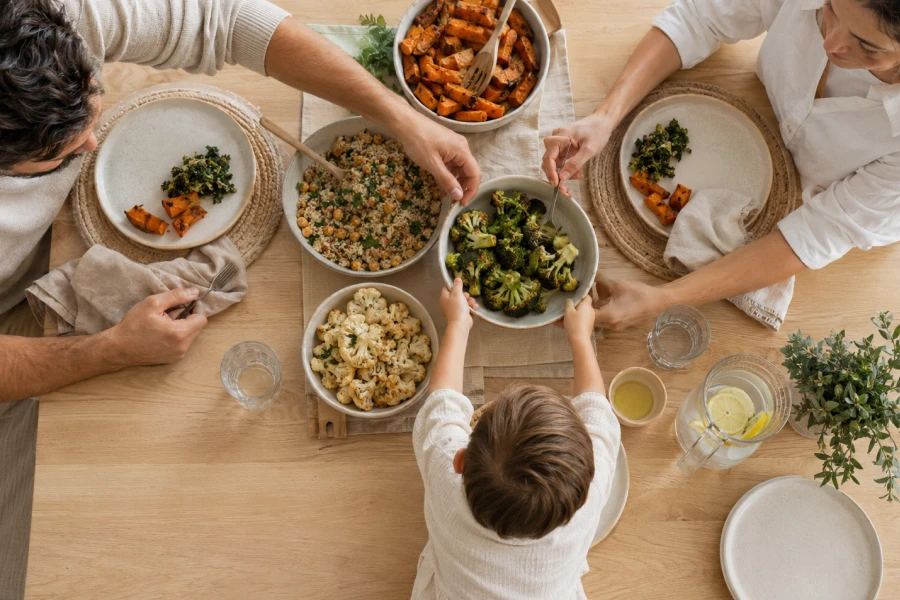
Picky eater food choices feel easier when parents stop treating every meal like a test. Children often need time, repetition, and emotional safety before trying something new. A calmer plan gives parents structure without making food feel forced. It also helps children feel involved without controlling the whole meal. Small decisions can lower resistance quickly. A child may reject spinach but accept choosing between apple slices and berries. These moments matter. They create a bridge between comfort foods and new possibilities.
Structure helps children feel safe. It also helps parents stay consistent. Without structure, meals can become emotional guessing games. One night may feel too strict. Another may feel too flexible. Children need a pattern they can understand. Parents can offer two acceptable options. The child chooses from both without pressure. This supports kid-friendly food choices while keeping nutrition in view. Predictability makes cooperation easier.
Autonomy is powerful for young children. They want to feel capable. They want their preferences to matter. Food offers a daily place to practice that skill. Parents can invite input before the plate is built. This reduces surprise and defensiveness. It also makes children more willing to engage. A choice does not guarantee eating. Still, it increases comfort. Comfort is often the first step toward tasting.
Too many choices can overwhelm a child. A simple choice works better. Parents might ask whether peas or corn should appear. They might ask whether dinner fruit should be sliced or whole. These small decisions feel manageable. They also prevent the child from redesigning the entire meal. The parent remains responsible for balance. The child contributes within healthy limits. That combination keeps meals calm and practical.
The best meal decisions often happen earlier. Children are usually calmer before hunger peaks. Parents can talk about dinner during snack time. They can invite children to rinse vegetables. They can let children place fruit in a bowl. This creates healthy plate participation before the meal feels stressful. Familiarity builds slowly. By dinner, the food no longer feels completely unexpected.
Language can reduce fear around food. Children can describe color, crunch, smell, or shape. They do not need to say whether they love it. They can simply notice it. This keeps the conversation neutral. Parents should avoid dramatic praise or disappointment. Calm curiosity works better. A child who describes cucumber as cold has already engaged. That engagement matters. It may lead to tasting later.
Family meals become easier when everyone knows the routine. The parent serves familiar food alongside newer options. The child sees safety and variety together. No one needs to argue. No one needs to bargain. Parents can model eating without turning it into a performance. Children watch quietly, even when they seem uninterested. Repeated calm exposure builds tolerance. Tolerance can later become acceptance.
Refusal does not ruin progress. It is part of learning. A child may refuse because of tiredness, mood, or sensory overload. Parents should stay steady. Avoid lectures during the meal. Keep the plate available without pressure. Offer connection instead of conflict. This supports parent-child food cooperation over time. The relationship matters more than one bite.
Confidence grows through many ordinary meals. It grows when children feel trusted. It grows when parents stay calm. It grows when food feels familiar. A child may first touch a food. Later, they may smell it. Eventually, they may taste it. Each step deserves patience. Parents do not need perfection. They need a repeatable rhythm that supports courage, choice, and calm family connection.




Leave a comment