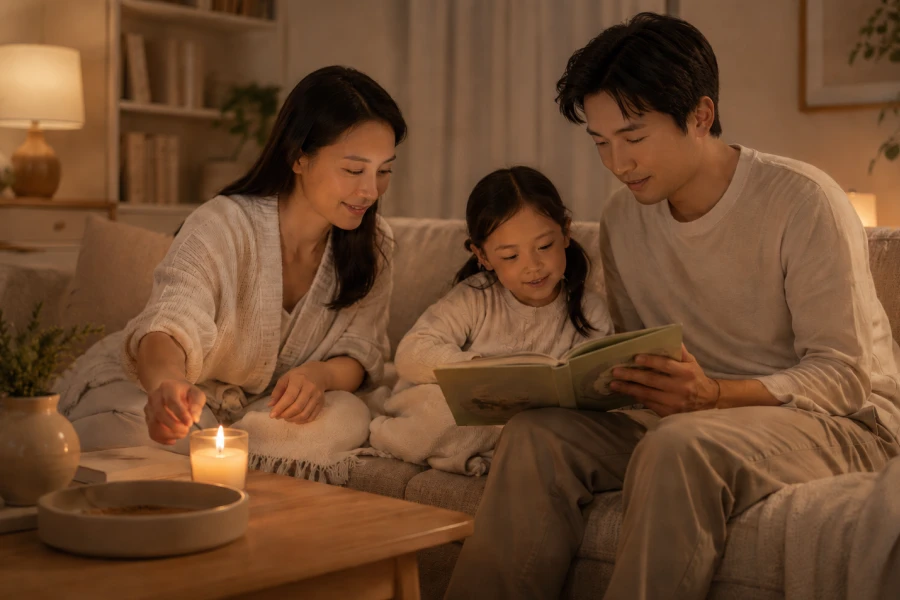
Meaningful family rituals help families create emotional anchors in the middle of busy life. Children do not need perfect schedules to feel connected. They need repeated moments that feel warm, predictable, and personal. A ritual can be small. It might be Sunday pancakes, bedtime questions, or a weekly walk. What matters is consistency and feeling. Families build identity through these repeated experiences. Over time, simple habits become memories children carry into adulthood.
Big events are exciting, but daily rhythms shape belonging. Children often remember repeated moments more vividly than expensive outings. The same song, meal, or conversation can become deeply comforting. Rituals tell children what family feels like. They create a sense of place. They also support family bonding routines without requiring elaborate planning. Parents do not need perfection. They need repeatable moments with emotional meaning.
Small rituals are easier to maintain. A ten-minute tradition can become powerful. Families might light a candle before dinner. They might share one good thing from the day. They might take a Friday evening walk. The action matters less than the feeling. Children learn to expect connection. Parents learn to protect time. Small rituals survive busy seasons because they fit real life. That makes them more likely to last.
Every family has its own personality. Some families love humor. Others prefer quiet connection. Some enjoy cooking together. Others bond through movement or stories. The best rituals reflect natural energy. They should not feel like a performance. Parents can notice what already works. Then they can repeat it intentionally. This turns existing moments into shared family moments. Authentic rituals feel easier to keep.
Children feel secure when connection repeats. They know certain moments will return. That predictability matters during stressful weeks. A bedtime ritual can soften hard days. A weekend breakfast can reset the family mood. Rituals also give children language for belonging. They can say, this is what we do. That statement builds identity. Emotional safety grows through repeated proof that family connection remains available.
A ritual should bend without breaking. Busy weeks happen. Travel happens. Illness happens. Families should avoid making rituals too fragile. If Sunday pancakes are impossible, Sunday toast can still work. If bedtime reading runs late, one page may be enough. Flexibility protects the emotional purpose. The ritual remains alive because the family adapts. Consistency means returning, not performing perfectly every time.
Transitions can make children feel unsettled. New schools, moves, holidays, and schedule changes can disrupt security. Rituals help families carry familiarity into new situations. A repeated breakfast phrase can travel. A bedtime question can continue anywhere. These moments support intentional family time when life feels unpredictable. Children feel less lost when familiar connection follows them. Parents also feel more grounded.
Children value rituals more when they help create them. They can choose the dinner question. They can pick the Saturday playlist. They can decorate a seasonal table. Their involvement creates pride. It also makes the ritual feel shared, not imposed. Parents should keep choices simple. Too many options can complicate the moment. A child’s small contribution can make the tradition feel deeply personal.
Rituals become stories over time. Families begin to remember when a tradition started. They laugh about imperfect versions. They retell favorite moments. Children connect those stories to identity. The ritual becomes more than an activity. It becomes evidence of love, humor, and togetherness. Years later, small repeated moments may hold the strongest emotional weight. That is the quiet power of family tradition.


Leave a comment