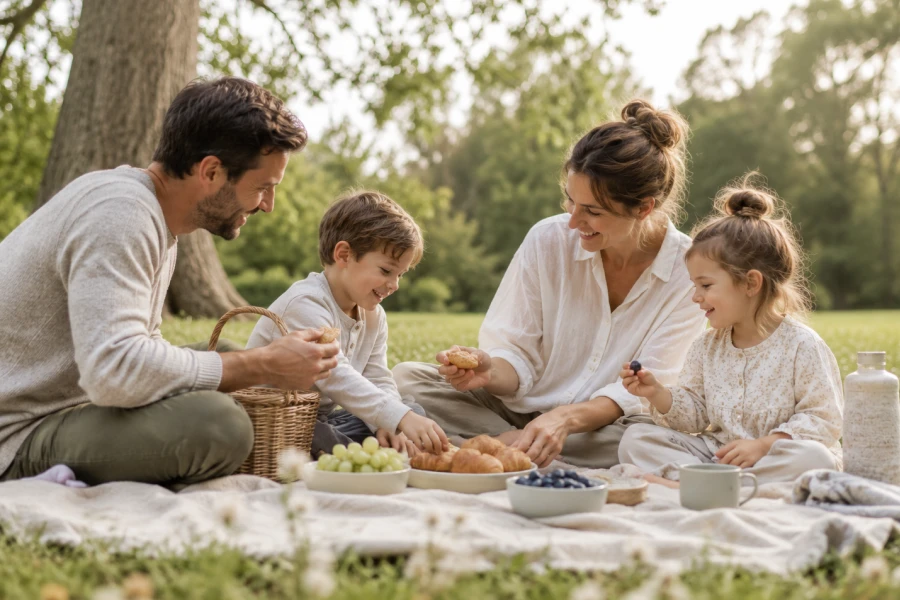
Weekly family traditions create a dependable rhythm that children can look forward to again and again. In a busy household, connection can disappear behind errands, homework, and tired evenings. A weekly tradition protects one meaningful moment from being forgotten. It does not need to be expensive or elaborate. A Saturday breakfast, Friday movie night, or Sunday walk can become deeply important. Children feel secure when joy repeats. Parents feel more connected when togetherness has a place.
Anticipation is part of the magic. Children love knowing that something special is coming. It gives shape to the week. It also creates positive emotional expectation. A tradition can brighten ordinary days before it even happens. Parents benefit from that rhythm too. They no longer need to reinvent connection constantly. A repeated weekly family tradition becomes a reliable family anchor.
Manageable traditions last longer. Families should choose ideas that fit their time, budget, and energy. A tradition should not create resentment. It should feel inviting. Simple ideas often work best. Pancakes, park walks, game nights, or shared playlists can be enough. The activity should be easy to repeat. When the tradition feels realistic, parents protect it more consistently. Children notice that consistency.
Personal details give traditions emotional power. A special mug can matter. A repeated phrase can matter. A favorite blanket, recipe, or route can matter. These details turn an activity into family culture. Children begin to associate them with love. Parents can invite children to add small touches. This supports family culture building in a natural way. Personal rituals feel owned by everyone.
Pressure can damage even beautiful traditions. Families should avoid making the weekly moment too perfect. Someone may be tired. The house may be messy. Plans may change. The tradition can still happen in a smaller form. A full movie night can become one episode. A long walk can become a short stroll. Protecting the feeling matters more than protecting the exact format.
Children enjoy traditions when they have a role. One child can choose the game. Another can stir pancake batter. Someone can pick the walking path. These responsibilities create belonging. They also teach contribution. Parents should keep the roles age-appropriate. The goal is ownership, not performance. Shared roles support lasting childhood memories because children remember helping. Participation makes the tradition feel alive.
Busy seasons test every routine. School events, work demands, and travel can interrupt plans. A tradition should adapt rather than disappear. Families can shorten it, move it, or simplify it. They can also name the change clearly. Children understand more than adults expect. Saying that the tradition still matters helps preserve it. The family returns when possible. That return reinforces commitment.
Traditions shape how families describe themselves. They create phrases like, this is what we do. That identity matters. It gives children a sense of belonging. It also gives parents a shared story to protect. Over time, the tradition becomes part of family language. New relatives or friends may join it. The ritual expands without losing its heart. Identity grows from repetition and meaning.
Ordinary life holds more meaning when families repeat what matters. A weekly tradition adds warmth to the calendar. It gives children something dependable. It gives parents a practical expression of love. The activity may look simple from outside. Inside the family, it can feel profound. These repeated moments become emotional landmarks. They remind everyone that connection deserves time, even in full weeks.

Leave a comment