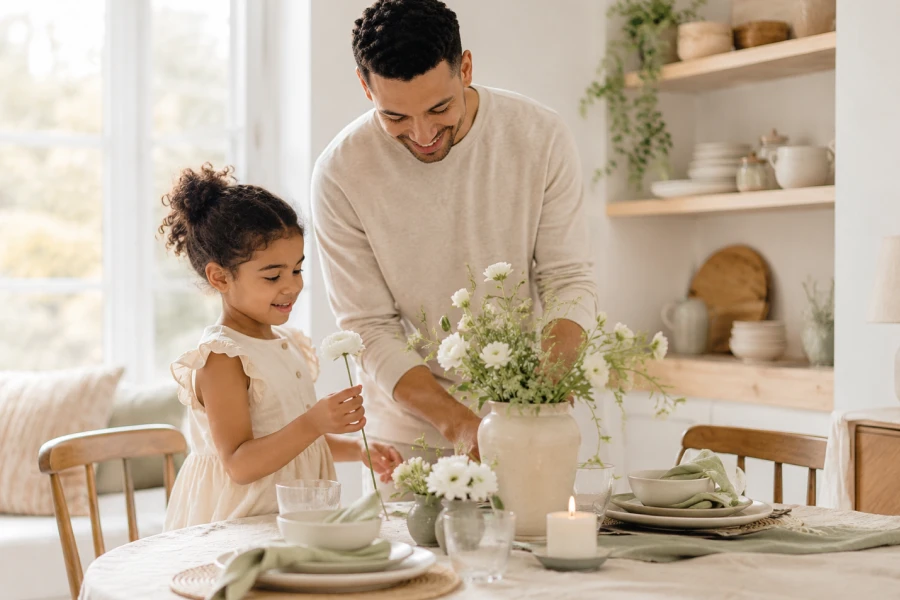
Family ritual ideas work best when they fit the people, pace, and personality of the household. A ritual should not feel like another task on an already full list. It should feel like a warm pattern the family wants to repeat. Some families love playful traditions. Others prefer quiet moments. The right idea depends on what already brings connection. A strong ritual grows from real life. It becomes meaningful because everyone can return to it with ease.
Existing habits are easier to strengthen than brand-new routines. Families already have moments of connection. They may happen during breakfast, bedtime, errands, or weekend chores. Parents can notice where warmth already appears. Then they can make that moment more intentional. This approach supports meaningful family rituals without forcing a dramatic change. A ritual feels more natural when it begins with something familiar.
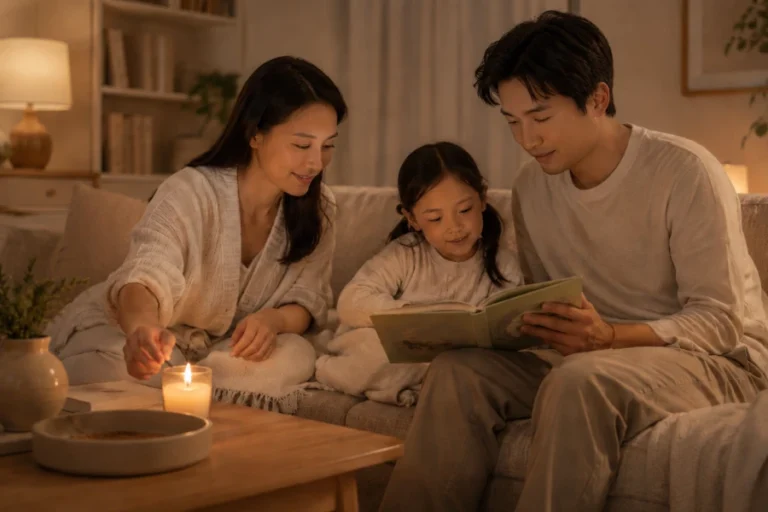
Weekday evenings need gentle rituals. Families are often tired. Children may need decompression. Parents may need simplicity. A five-minute gratitude circle can work. A shared tea or snack can work. A bedtime question can work. The ritual should not delay sleep or create stress. It should help the day land softly. Small evening rituals can become emotional anchors after busy schedules.
Younger children often connect through play. A silly handshake can become a ritual. A cleanup song can become a ritual. A stuffed animal check-in can become a ritual. Playfulness helps children participate without pressure. It also makes repetition enjoyable. Parents can keep the ritual short. Children usually care more about consistency than length. These playful moments support shared family moments that feel joyful and personal.
Older children need rituals that respect independence. They may resist anything that feels childish. Parents can choose low-pressure formats. A weekly coffee outing can work. A car conversation can work. A shared show can work. Teens often open up during side-by-side moments. Rituals should invite, not demand. When older children feel respected, they are more likely to return. Connection changes form, but it still matters.
Seasonal rituals add rhythm to the year. Families might make soup on the first cold weekend. They might take a spring walk in the same park. They might create a summer picnic tradition. Seasonal repetition gives children markers in time. It also supports intentional family time without needing weekly commitment. These rituals can feel special because they return less often. Anticipation becomes part of the joy.
Rituals can also help after hard moments. Families need ways to reconnect after conflict. A repair ritual might be a walk, a quiet talk, or a shared snack. The point is not to erase the problem. The point is to return to connection. Children learn that relationships can recover. Parents learn to model repair. This can become one of the most valuable family patterns. Love feels safer when repair is expected.
A ritual should never become a burden. If it starts creating stress, simplify it. If people resist it, ask why. If the schedule changes, adapt the ritual. The emotional purpose matters most. Families should protect the feeling, not the exact details. A flexible ritual can survive many seasons. It remains meaningful because it serves the family. That freedom keeps connection alive.
Repetition turns small moments into memories. A child may not remember every dinner. They may remember the question asked at each dinner. They may not remember every bedtime. They may remember the phrase said before sleep. Rituals gather emotional weight over time. Families do not need perfect traditions. They need honest, repeatable moments. Those moments become the story children remember as home.


Leave a comment