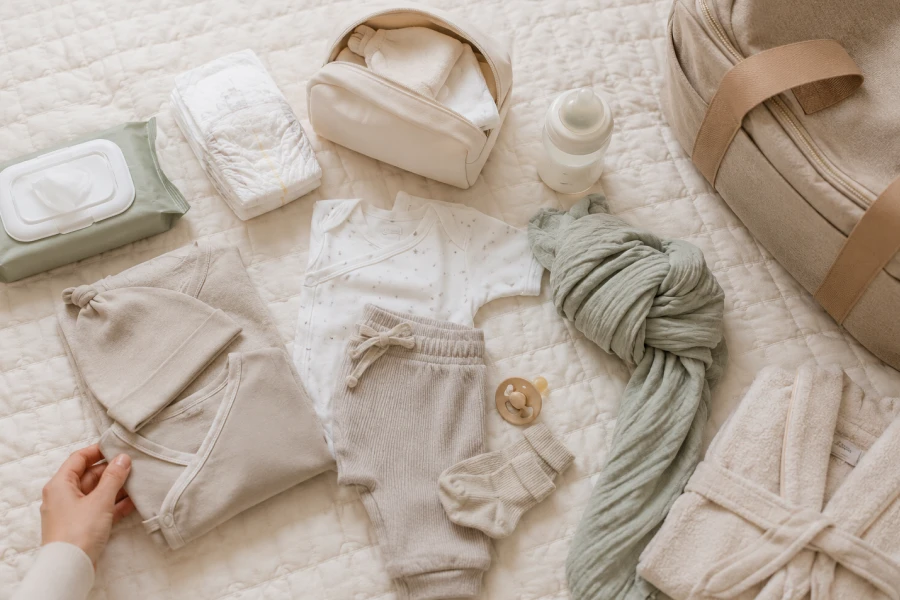
Baby hospital packing can feel surprisingly emotional because it makes arrival day feel real. Parents are not only gathering clothes and supplies. They are preparing for a new rhythm, a new responsibility, and a first meeting. A clear plan keeps that emotion from becoming overwhelm. The most useful bag is organized, realistic, and easy to use. It supports the baby’s comfort and the parents’ focus. It also prevents unnecessary clutter. Preparation should feel reassuring, not stressful.
Early preparation gives parents breathing room. It also helps them avoid rushed decisions. Some babies arrive before expected. Even when delivery happens on schedule, the final weeks can feel tiring. Packing early protects energy. Parents can make thoughtful choices. They can wash baby clothes. They can check hospital policies. A prepared maternity bag essentials plan keeps everyone steadier.
The first outfit should be comfortable and simple. Parents often want something memorable. That is understandable. Still, ease matters most. Choose soft fabric and practical closures. Pack one backup outfit. Add socks if the season requires them. Keep size flexibility in mind. Some babies need newborn sizing. Others fit better in zero-to-three-month clothing. Comfort and safety should guide every clothing choice.
Practical items often make the biggest difference. Identification and insurance cards should be ready. Hospital forms belong in one folder. Phone chargers should be packed early. A longer cord can help in hospital rooms. Snacks may support partners during long waits. Toiletries help parents feel human again. These details support labor and delivery packing without adding unnecessary bulk. Organization reduces avoidable stress.
Overpacking often comes from love. Parents want to be ready for every possibility. Yet too many items can create confusion. Hospital rooms have limited space. Large bags become hard to manage. Bring the essentials first. Keep extra supplies in the car if needed. Ask the hospital what they provide. This prevents duplicate packing. A lighter bag can feel more supportive than an overloaded one.
The baby needs care, but the recovering parent needs support too. Comfortable clothing matters. Toiletries matter. Snacks, socks, and personal care items can help. A robe may make movement easier. A nursing bra may support feeding. Parents should also pack emotional comforts. Music, a soft pillow, or a familiar item can feel grounding. A thoughtful newborn arrival planning approach includes everyone.
Feeding plans may change after delivery. Parents should stay flexible. Breastfeeding supplies can help some families. Bottle supplies may help others. Hospitals often provide guidance and basic items. Still, personal preferences can matter. Pack small, useful supports rather than an entire feeding station. Burp cloths are usually helpful. Keep feeding items easy to access. Early feeding feels easier when parents are not searching.
A final check should be quick. Parents do not need to unpack everything. They can confirm documents, phone, charger, and clothing. They can add last-minute toiletries. They can check the car seat. The goal is calm confirmation. Rechecking too often increases anxiety. Trust the preparation already done. The bag is there to support the experience, not control it.
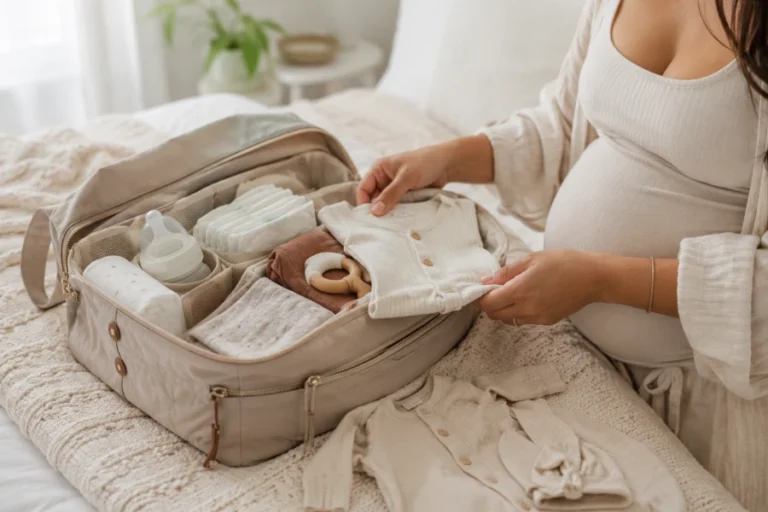
The best packing plan makes room for the moment. Parents should not spend the hospital stay managing clutter. They should be able to focus on recovery, bonding, and learning. A clear bag supports that focus. It keeps essentials close. It lowers stress for partners. It helps the first day feel less chaotic. Thoughtful packing turns preparation into peace of mind.



Leave a comment