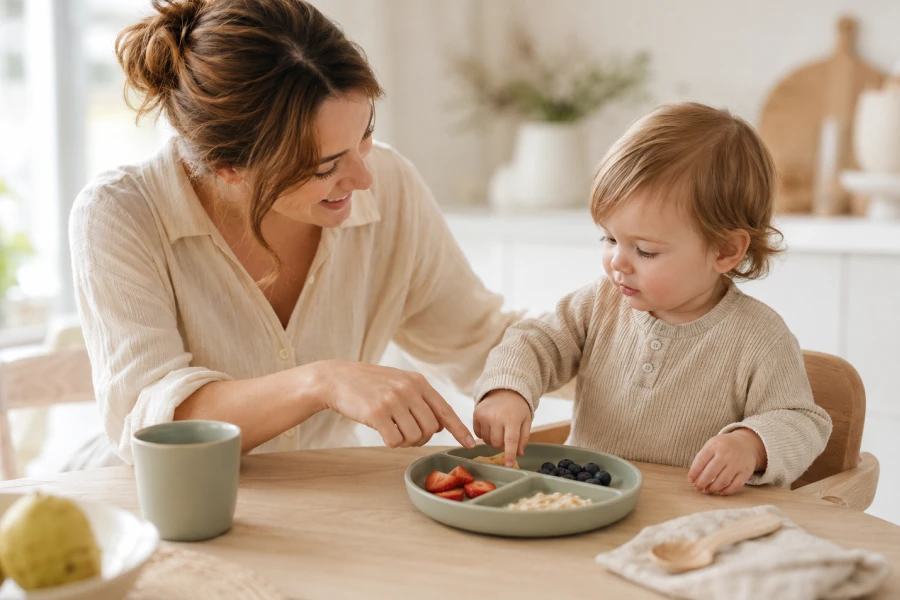
Family mealtime choices can turn ordinary dinners into calmer, more connected moments. Many parents want children to eat better, but control often creates tension. Shared decision-making gives children a voice while keeping parents in charge of balance. That combination matters. Children feel respected, and parents feel less trapped in constant arguments. The goal is not perfect eating. The goal is steady cooperation. When children help shape the plate, dinner becomes more predictable, peaceful, and emotionally safe.
Children cooperate more easily when expectations feel clear. They also respond well when their preferences matter. Parents can use limited options to create both safety and structure. This approach prevents mealtime from becoming a demand. It also helps children understand that food decisions are shared. A vegetable choice can become a small act of teamwork. A fruit choice can create pride. These moments support food choice confidence without pressure.
Stress rises when every bite becomes important. Parents may watch the plate too closely. Children may feel judged. A better rhythm shifts attention toward participation. The child helps choose one part of the meal. The parent serves the full plate calmly. Conversation can move beyond food. This reduces emotional intensity. It also helps children relax. Relaxed children are more likely to explore new tastes over time.
Not every moment needs a choice. Some days require simplicity. Parents can choose when participation fits. Breakfast might offer a fruit decision. Lunch might include a sandwich side. Dinner might involve selecting a vegetable. The pattern should feel easy to repeat. It should not create extra work. A sustainable system protects the parent’s energy. Children benefit from calm consistency more than elaborate options.
Familiar foods create a safe foundation. New foods become less intimidating beside trusted favorites. Parents can pair rice with a new sauce. They can add one new vegetable near a preferred protein. This reduces pressure and supports low-pressure eating habits. Children learn that new food does not replace comfort. It simply joins the table. That message can soften resistance.
Collaboration can be simple. A child can arrange fruit slices. They can sprinkle cheese. They can choose the bowl. These actions seem small, yet they change the child’s relationship with food. Food becomes something they helped create. That pride often increases willingness. Parents should keep praise calm and specific. Notice effort, not results. This keeps motivation internal. The child begins to feel capable at meals.
Emotional safety matters as much as nutrition. Children who feel pushed may avoid the table. Children who feel respected often return with more openness. Parents can protect that safety by staying neutral. No shaming. No bargaining. No dramatic reactions. A steady tone tells the child that food is safe to explore. This supports family trust. Trust gives healthy habits room to grow.
Some meals will still be difficult. A child may reject both options. Another may ask for something unavailable. Parents can calmly repeat the boundary. The choices are the choices. This phrase should sound kind, not harsh. Then the parent moves forward. Consistency teaches the system. Over time, children learn that participation has limits. Limits make the routine more secure.
A family’s table culture develops through repetition. It grows from tone, rhythm, and expectations. Shared choices help everyone feel included. They also reduce the need for constant correction. Children see food as part of family life, not a daily conflict. Parents feel more confident guiding meals. Small choices become meaningful rituals. Over months, dinner can feel warmer, calmer, and more cooperative.




Leave a comment